26 Best, Cool Learning Activities for Toddlers
Teaching toddlers might sound overwhelming, but it doesn’t have to be. With the right mix of fun and creativity, learning can be playful, easy, and actually something you both enjoy.
From building motor skills and language through messy play to encouraging curiosity with puzzles and music, we’ve gathered simple activities that make a big impact — no fancy supplies needed.
So grab some pom-poms, turn up the music, and let your little one explore the world through play.
Now let’s jump into these 26 cool learning activities your toddler will totally love.
Learning Activities for Toddlers
Mess with Sensory Bins
Sensory bins are a total win with toddlers. Just grab a plastic container, dump in some dry rice, beans, water, or even sand, and let them go for it. They’ll scoop, pour, squish, and dig—basically exploring textures without needing any instructions.
What’s cool is they start learning cause and effect too, like what happens when you drop a spoonful of rice from up high.
You can toss in scoops, cups, or small toys to keep things interesting. It’s messy sometimes, yeah, but that’s kinda the point.
Throw a towel under the bin and let them explore. No need to overthink it—this is hands-on learning at its best.
Sound Jars or containers
Sound jars are super easy to make and surprisingly fun for toddlers. Just take a few empty containers—like spice jars or mini Tupperware—and fill each with different stuff: dry rice, beads, buttons, coins, even paperclips. Seal ’em up tight (tape if you have to), then let your toddler shake away. They’ll start noticing how each one sounds different, even if they don’t say it out loud yet. It’s a sneaky way to build listening skills and early thinking. Sometimes they’ll just shake one over and over, and that’s fine too. Line up the jars, mix them around, and see if they can guess which is which. Super simple, but it totally works.
Nature walks & nature collections.
Nature walks with toddlers aren’t about getting anywhere fast. It’s more about slowing down and letting them notice stuff—like a weird rock or a crunchy leaf. Bring a little bag or bucket and let them collect whatever catches their eye: sticks, flowers, acorns, maybe even a bug (if you’re cool with that). Talk about how things feel—smooth, rough, wet, dry. That kind of texture talk builds language without it feeling like a lesson. You can lay everything out at home later and sort it, or just dump it and start fresh next time. Either way, they’re learning just by being curious. Plus, it’s outside, which already makes everything better.
Shape sorters & matching puzzles.
Shape sorters are one of those classic toys that actually earn their spot on the shelf. Toddlers love figuring out which block goes where, even if they try shoving the square into the triangle hole ten times first. It’s not just about shapes—they’re learning patience, problem solving, and how things fit together. The same goes for matching puzzles. Start simple: animal pairs, colors, or basic pictures. Don’t worry if they mix everything up or walk away halfway through—that’s just part of how they learn. Sit with them, talk about the pieces, and let them take the lead. These little games do a lot more than they look like they do.
Color sorting games
Color sorting’s one of those sneaky learning games that feels more like play. Just grab a bunch of stuff you already have—blocks, ball pit balls, plastic lids, whatever—and group ’em by color. Give your toddler a few bowls or bins and show how to match the red ones, the blue ones, and so on. Sometimes they get it right away, sometimes they just toss everything in one pile (which is fine). You can name the colors as they go, but don’t push it—just keep it fun. Over time, they’ll start noticing color differences on their own. And yeah, sometimes a blue block will end up in the green bowl. It’s all part of the process.
Matching card games
Matching cards are simple, but they hit a bunch of learning skills at once—memory, focus, and visual recognition. You don’t need anything fancy either. Just print out two copies of the same pictures (animals, shapes, foods, whatever they’re into) and lay a few down face-up. Start small—like three pairs—and let them find the matches. At first, they’ll probably just flip cards randomly, and that’s totally okay. Talk through the pictures as you go, like “Oh look, that’s a banana! Can we find the other one?” Keep it short and sweet, and let them win sometimes—it keeps things fun. You’ll be surprised how fast they catch on, even if they seem like they’re just guessing half the time.
Interactive reading
Interactive reading is way better than just reading words off a page. When you sit with your toddler, point at pictures and ask questions like, “What’s this?” or “Can you find the dog?” It gets them involved and thinking, not just listening. Describe what you see too—“Look at the big red ball!”—and watch them connect words with things. Sometimes they’ll babble back or just stare, but that’s cool, they’re soaking it all in. Keep the sessions short, maybe 5-10 minutes, ’cause attention spans are tiny. And don’t worry about reading every single word—making it fun and interactive is what sticks with them the most.
Songs, nursery rhymes
Songs and nursery rhymes with actions are a simple way to get toddlers moving and learning at the same time. When you sing and add claps, stomps, or hand movements, it helps little ones connect words with motions. They love trying to copy you, even if they mess up the words or moves sometimes. Chanting and repeating songs build their memory and language skills without feeling like work. It’s also a great way to keep them busy indoors when energy’s high. You don’t have to be perfect—making up silly songs or doing the same ones over and over is what really sticks. Plus, it’s a fun way to bond and share laughs.
Flashcards for letters
Flashcards are a handy way to introduce letters and simple words to toddlers without making it feel like a lesson. You can start with just a few cards—letters, everyday objects, or words they see around the house. Show them a card, say the word out loud, and point to the object if you can find it nearby. Sometimes they’ll repeat it, sometimes they just stare, and that’s okay. The goal isn’t to rush but to get them curious about words. Keep sessions short and fun, and mix in some play to keep their attention. Over time, those simple flashcards help build early reading skills without any pressure.
Stacking blocks or cups
Stacking blocks or cups is such a simple activity, but toddlers love it. They enjoy picking up pieces and figuring out how to balance them just right to build a tower. It helps with their hand-eye coordination and fine motor skills, even if they don’t realize it. And when the tower falls, it’s not a fail—it’s part of the fun, and usually, they’re ready to build it back up right away. You can mix things up by using different sizes or colors to keep it interesting. It’s a great way to keep them busy, learning without any pressure, and just having a good time.
Puzzles with large pieces
Puzzles with large pieces and peg boards are perfect for toddlers just starting to figure things out. The big pieces are easier for little hands to grab and move around without getting frustrated. When they fit a piece in or place a peg, it gives them a real sense of accomplishment. Plus, these toys help build problem-solving skills and hand-eye coordination, even if they don’t get the whole puzzle done at first. Sometimes they’ll just play with the pieces or pegs on their own, and that’s totally fine. The key is to keep it fun and not push too hard. It’s all about exploring and learning at their own pace.
Threading beads
Threading beads, using tweezers, and transferring stuff between containers might sound simple, but toddlers get a lot out of it. Picking up tiny beads or using tweezers helps their fingers get stronger and more coordinated—skills they’ll need later for writing. Moving items from one bowl to another teaches focus and control, even if they spill a bit sometimes. It’s messy, yeah, but that’s part of why toddlers love it so much. You don’t need fancy supplies; everyday things like pasta or buttons work just fine. Just sit with them, cheer ’em on, and enjoy the concentration on their little faces as they work on these new skills.
Dress‑up or role‑play
Dress-up and role-play are like magic for toddlers. Whether they’re pretending to cook in a kitchen, running a store, or playing doctor, they get to explore new ideas and practice real-world skills in a safe, fun way. Putting on costumes or using simple props sparks their imagination and helps with language and social skills. Sometimes they talk to themselves or act out stories they’ve seen, and that’s how they make sense of the world. You don’t need anything fancy—old clothes, empty boxes, or toy stethoscopes work great. Just let them take the lead and join in when they want. It’s play that teaches without feeling like work.
Puppet shows or acting out stories
Puppet shows and acting out stories are super fun for toddlers and really help them learn without feeling like school. With just some simple puppets or even socks, kids get to bring stories to life and practice talking and expressing feelings. They love making up voices or copying sounds, which keeps them interested for longer. You don’t need a fancy stage—a cozy corner works fine. Sometimes they watch quietly, other times they take over and put on their own little performance. This kind of play builds confidence and helps with language skills while letting their imagination run wild. It’s a win-win for both fun and learning.
Play with family photos.
Playing with family photos or pin‑up pictures is a simple way for toddlers to learn about people and relationships. Grab some photos—of family, friends, even pets—and look at them together. Talk about who’s in the picture, what they’re doing, or where it was taken. Toddlers love pointing and asking questions, even if they can’t say all the names yet. It helps them understand family connections and also builds their language skills. You don’t need to make it fancy; chat naturally as you flip through pictures on the wall or in an album. It’s a cozy way to connect, share memories, and teach little ones about the important people in their lives.
Dancing with simple songs & actions
Dancing with simple songs and actions is a super fun way for toddlers to learn and move their bodies. Put on a catchy tune and add easy moves like clapping, stomping, or waving. Toddlers love copying what you do, even if they don’t get it ideally. It helps with their coordination, balance, and listening skills without feeling like exercise. Plus, it’s a great way to burn off some energy indoors. You don’t need fancy music—any fun song works. Sometimes they wanna wiggle and jump, and that’s totally fine. Dancing together also makes them feel happy and connected, so it’s a win for everyone involved.
Using drums, shakers, and household items
Using drums, shakers, and household items as instruments is a super easy way for toddlers to explore sound and rhythm. You don’t need fancy toys—pots, wooden spoons, or empty containers work just fine. Toddlers love banging, shaking, and making noise, which helps develop their motor skills and listening abilities. They start to notice different sounds and beats, even if it’s just banging around randomly. It’s messy sometimes, but that’s part of the fun. You can join in and make music together, which makes it even more exciting. This type of play sparks creativity and helps kids understand cause and effect while they have a blast.
Clapping games
Clapping games and pattern-based rhythms are a fun way for toddlers to build memory and learn patterns without even knowing it. You clap simple beats and have them copy you, or make up a little rhythm together. Toddlers enjoy the back-and-forth and trying to keep up, even if they mess up sometimes. It helps them focus and recognize patterns, which is excellent for brain development. Plus, it’s a game you can play anywhere—no materials needed. Sometimes you add a song or chant to make it even more exciting. It’s simple, engaging, and a sneaky way to boost early learning skills while having a good time together.
Cooking together
Cooking together is a perfect way for toddlers to learn without sitting still. Measuring ingredients helps them with numbers and sizes, while mixing teaches about cause and effect. Counting spoonfuls or stirring times sneaks in some simple math, too. Toddlers love getting messy and being part of the kitchen action, even if it means a bit of cleanup later. It’s not about making perfect food but about having fun and learning through doing. Plus, they get to see how things change when you mix or cook them, which is super cool. So, grab some kid-friendly recipes and enjoy cooking up some learning and memories together.
Sorting laundry
Sorting laundry by color and matching socks is a simple activity that toddlers actually love to help with. Giving them the job of finding all the reds or pairing up socks keeps them busy while they learn at the same time. It teaches them about colors, patterns, and sorting—all essential skills for their brain. Sometimes they mix things up or get distracted, but that’s part of the fun. It also helps with their attention and fine motor skills when they grab and fold small socks. Plus, it’s a great way to involve them in daily chores, making them feel proud and helpful. Just keep it light and fun, no pressure needed!
Clean‑up games
Clean-up games, such as putting toys back in bins while naming each one, turn chores into a fun learning experience for toddlers. As they pick up a truck or a doll, saying its name helps with vocabulary and memory. Making it a game with timers or songs keeps them excited instead of bored. It’s a simple way to teach responsibility and organization, but also lots of language skills, without it feeling like work. Toddlers enjoy the routine and praise they get when they finish. Plus, a tidy play area makes everyone happier. So next time you clean up, try turning it into a little game—you’ll both have fun and learn something new.
Bug hunts, exploring outdoors
Bug hunts and exploring outside are some of the best ways toddlers learn about the world around them. They get to look closely at bugs crawling on leaves or feel different textures like grass or bark. Sometimes they wanna taste a flower petal or watch clouds drift by, which sparks their curiosity and senses. It’s not just play—it helps them notice details and understand nature in a hands-on way. You don’t need to plan much, just let them explore at their own pace and ask questions when they’re ready. These little adventures help build their love for nature and make learning a fun and natural experience.
Water play: sink or float, pouring, splashing
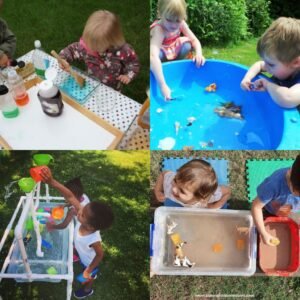
Water play, such as sinking or floating, pouring, and splashing, is super fun for toddlers and teaches them a lot without them even realizing it. They love dropping toys or objects into water to see if they sink or float, which helps them learn cause and effect. Pouring water from one container to another builds their coordination and understanding of volume, even if they sometimes spill. Splashing around is just plain fun and keeps them engaged. You don’t need fancy tools—a simple bowl of water and some safe household items work great. Water play combines sensory experience with learning and keeps toddlers entertained for a long time. It’s messy, sure, but totally worth it!
Gardening or planting seeds together
Gardening or planting seeds together is an excellent way for toddlers to connect with nature and learn patience. They get to dig in the dirt, feel the texture, and watch seeds slowly grow over time. It’s fantastic for teaching about life cycles and responsibility, even if they forget to water sometimes. Toddlers love getting their hands dirty and seeing little plants sprout, which keeps them curious and excited. You don’t need a big garden—even a small pot on a windowsill works. Plus, it’s a calming activity that encourages observation and care. Gardening with your toddler is simple, rewarding, and a perfect way to learn about nature together.
Tips for Choosing & Using These Activities
When picking activities, remember to match them to your toddler’s age and what they’re into. If they’re loving something, let them explore it more.
Keep activities short since toddlers can’t focus too long—just a few minutes is often enough.
Switching up activities regularly keeps things exciting and stops boredom.
Don’t worry about needing special toys—everyday stuff around the house works perfectly.
And don’t shy away from messes! Sometimes the best learning happens when things get a little messy, so embrace the chaos and have fun together.
Conclusion
So go ahead and dive into these fun learning activities your toddler will love. From exploring nature and playing with water to building towers and singing songs together, you’re setting up moments full of joy and growth. You’ll create unforgettable memories while helping your little one learn and discover the world in exciting ways.