25 Inspiring Montessori Playroom Ideas for Creative Learning
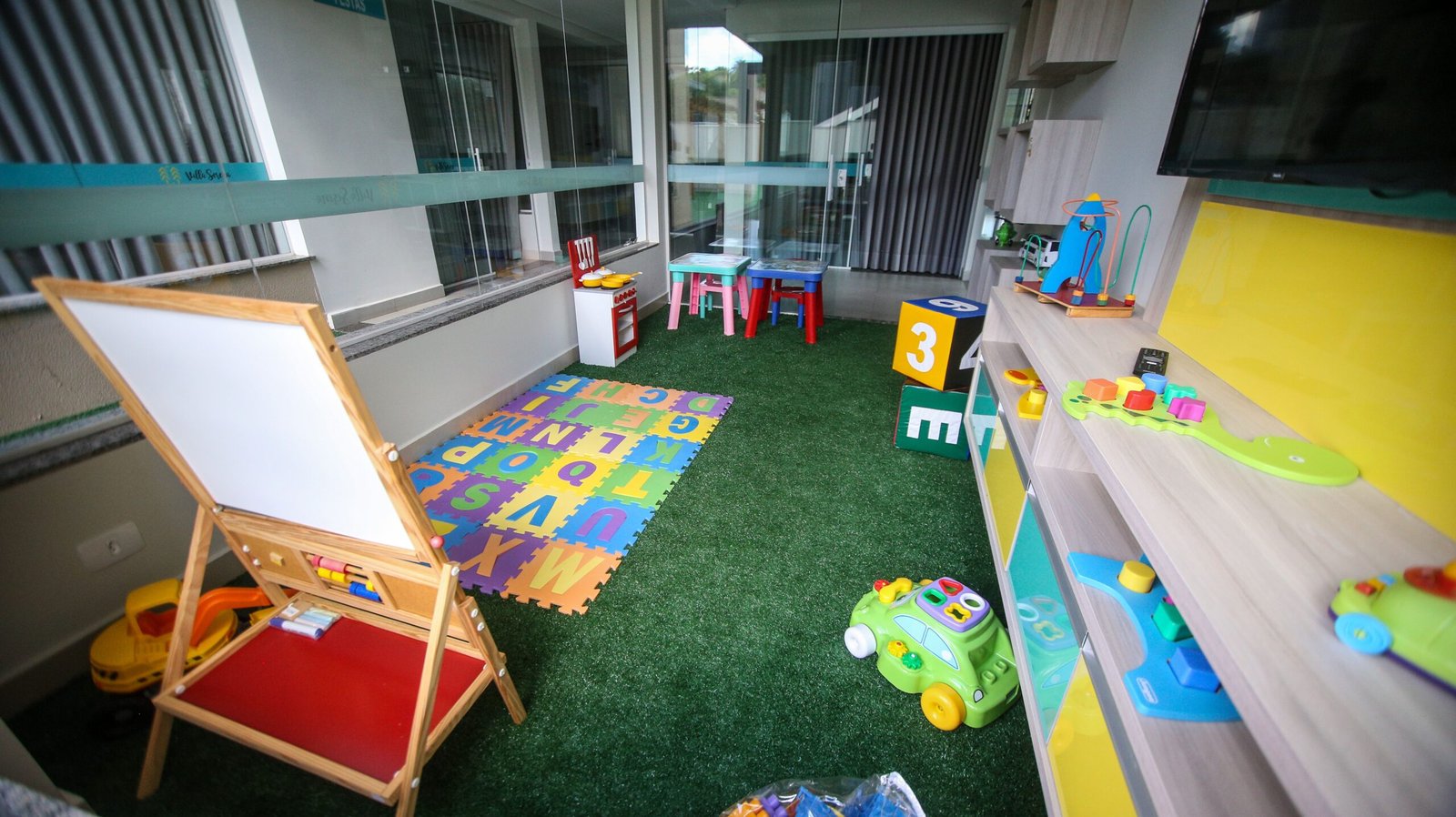
Setting up a Montessori playroom doesn’t have to be complicated. You don’t need a huge budget or a Pinterest-perfect space — just a little intention and some innovative ideas go a long way.
The key is making things simple, accessible, and kid-friendly. Think low shelves, open spaces, and toys that actually invite your child to do something, not just stare at blinking lights.
In this list, you’ll find 25 playroom ideas that make learning feel natural — and fun. Some of ‘em you can pull off in an afternoon, others might take a weekend, but all of them are doable.
Let’s get this started.
Inspiring Montessori Playroom Ideas
1. Low, Open Shelving
Low, open shelving is the backbone of a good Montessori playroom.
Instead of dumping toys into big bins or hiding them behind cabinet doors, you lay them out where your kid can see everything.
It doesn’t have to be fancy — just low enough so they don’t need help reaching stuff.
When toys are visible and easy to grab, kids feel more in control, which actually helps build independence.
They learn to choose what they wanna do instead of waiting for someone to hand them something.
The toy rotation thing? Total game changer. Swap out a few toys every week or so.
Doesn’t have to be perfect — just enough to keep them curious and coming back to explore.
2. Defined Play Zones
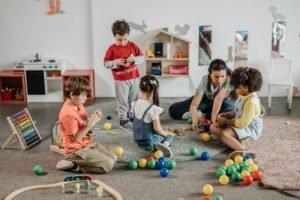
A playroom feels calmer when kids know where each activity happens.
You don’t need fancy walls—just clear spots.
A rug can mark a reading area, while a small table can signal an art corner. Shelves help keep puzzles separate from building blocks.
These little zones guide kids without you having to say much.
When they walk in, they know right away what belongs where.
It also cuts down the mess since cleanup becomes easier. Kids like order, even if it doesn’t look like it.
Defined play areas let them focus on one thing at a time, which makes learning feel more natural.
3. Floor Beds or Reading Nooks
Kids love having their own cozy spot. A floor bed or reading nook gives them that comfort without making it complicated.
Throw down a small mattress or thick cushions with soft blankets and pillows. Add a basket of books within reach, maybe even a lamp with warm light.
This corner becomes a retreat when they need a quiet break or want to dive into a story.
Having a space at their level teaches them that rest and reading are choices they can make on their own.
It’s a simple setup, but it encourages calm, independence, and a love for books.
4. Neutral Color Palette with Natural Light
Bright toys and bold walls can overwhelm kids fast.
A calmer setting is more conducive to focus. Think white or beige walls, wood furniture, and a few soft-toned rugs.
Add natural light if you can—pull back heavy curtains or use sheer ones.
The goal isn’t to make the room boring, but to strip away the extra noise so kids can actually notice their toys and materials.
When the space feels peaceful, children often stay with an activity longer.
It also makes the playroom grow with them, since neutral colors don’t get old. Simple tones and light set the right mood.
5. Montessori Toy Rotation System
Most kids don’t need a mountain of toys.
They need a few, well-chosen ones. That’s where toy rotation helps.
Instead of filling every shelf, pick out a handful of puzzles, blocks, or art supplies. Leave the rest stored away.
Every week or two, swap something out. The “new” toy feels exciting, even though it’s just been resting in a closet.
This system keeps clutter low and curiosity high. It also makes cleanup easier since there’s less on the floor.
Kids focus better with fewer choices, and you’ll see them return to toys with fresh interest. Less really works like more.
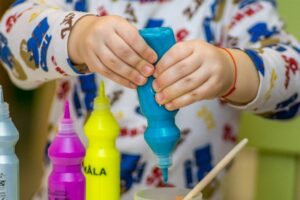
6. Child-Accessible Art Station
Art supplies can do wonders for creativity, but only if kids can actually use them.
A child-sized art station makes it easy. Set up a low table with chairs, then add a small shelf or cart. Stock it with crayons, scissors, glue sticks, paper scraps, and maybe some recycled boxes.
Keep everything in baskets or jars so kids know where to find it.
When supplies are open and ready, they don’t have to ask you to draw or cut—they just start creating.
This freedom builds confidence and imagination.
It doesn’t need to be fancy, just organized and within reach.
7. Miniature Practical Life Area
Kids love copying what adults do. A miniature practical life area lets them try it for real.
You can set up a child-sized pitcher with cups, a small broom and dustpan, or even a tray for spooning beans.
Some families add a small sink stool so kids can wash their hands or dishes. These tasks look simple, but they build coordination and independence.
Children feel proud when they pour water without spilling or sweep a corner on their own.
It’s not about play-pretend—it’s about practicing fundamental skills.
A few tools, sized for their hands, make the playroom feel like their world.
8. Mirror and Movement Space
Children need space to move as much as space to sit.
A wall mirror at their level adds excitement to dancing, yoga, or stretching.
It helps them monitor their own movements and gain a better understanding of their bodies.
Leave part of the floor open and add a soft mat or scarves for extra play.
The mirror encourages balance and coordination, while moving feels fun.
On rainy days, this corner becomes the perfect indoor activity.
It’s not about exercise alone—it’s about giving freedom to move.
Kids gain confidence and joy just by watching themselves grow stronger and more capable.
9. Real-Life Inspired Toys
Instead of flashy gadgets, give kids toys that connect to everyday life.
A child-sized cooking set, pretend tools, or doll care supplies mirror what they see adults doing.
These aren’t just for fun—they let kids safely practice fundamental roles.
For example, stirring a pot or hammering toy nails builds hand control while teaching responsibility. Children love when play feels like “real life.”
It makes them feel included, not just entertained.
These kinds of toys also spark more imaginative play because they link directly to what they experience every day at home.
10. Low-Hanging Artwork
Most artwork at home hangs too high for kids to notice.
Bringing art down to their level changes that. You can frame nature prints, family photos, or even famous paintings and hang them low on the wall.
This small detail makes the room feel like it belongs to them. Kids often stop to look, point, or ask questions about what they see.
It fosters aesthetic appreciation early, showing them that beauty and culture are an integral part of everyday life.
The art doesn’t need to be expensive—just meaningful and accessible.
Seeing it daily inspires curiosity and calm in their own space.
11. Minimalist Book Display
Books invite reading when they’re easy to see.
Instead of stacking them on tall shelves, use a front-facing rack or low ledge.
Show just a few covers at a time and rotate them often.
This simple setup keeps books from feeling overwhelming and makes stories feel special.
Kids naturally reach for titles when they can see the pictures right away. Having fewer books out doesn’t limit them—it draws more interest.
Reading becomes a choice they make themselves, not something handed to them.
A clean, simple display turns books into an everyday attraction in the playroom.
12. Nature Table or Observation Area
Bringing nature inside sparks curiosity in kids.
A small table or shelf works as a spot to display seasonal finds—pinecones, shells, flowers, or leaves.
Add a magnifying glass or jars for collections.
Kids love looking closely at things they pick up outside. It teaches them to slow down and notice details in the world around them.
Rotating items with the seasons keeps the table fresh and interesting.
This little corner connects the playroom learning to the outdoors. It also encourages respect for nature, since children learn to handle treasures carefully.
A simple setup like this can make science feel alive at home.
13. Interactive Wall Panels or Sensory Boards
Kids are naturally drawn to touch and explore. A sensory board or interactive wall panel gives them a safe way to do it. You can mount locks, latches, zippers, or textured materials on a board at their height. Each piece challenges fine motor skills while keeping little hands busy. These boards are quiet, which makes them perfect for calm play. They also invite repetition—kids enjoy opening the same latch again and again until they master it. It doesn’t need to be store-bought; homemade versions work just as well. A tactile wall like this adds depth to the playroom experience.
14. Accessible Storage Baskets
Toys and materials are more useful when kids can put them away themselves. Open baskets or bins make it easy.
Place them on low shelves, and add simple labels or pictures for guidance.
When kids know where things belong, cleanup becomes part of play instead of a chore.
It also helps them make choices more confidently.
A basket of blocks feels less overwhelming than a big toy chest.
The goal isn’t perfect organization but independence.
Over time, children learn responsibility and care for their things.
Small touches like this keep the playroom neat and kid-friendly without much extra effort.
15. Peace Corner or Calm-Down Space
Every child needs a quiet place to reset. A peace corner provides just that.
You can create it with soft pillows, a small rug, and a basket of calming tools like sensory bottles or a stuffed animal.
Some families add picture books about feelings or a glitter jar. This corner gives kids a safe spot to manage big emotions on their own.
Instead of punishment, it becomes a retreat where they can relax and come back when ready. It teaches emotional regulation early.
Even a tiny nook works—it’s less about size and more about the sense of comfort.
16. Child-Sized Cleaning Station
Kids often want to help around the house, but adult tools are too big.
A child-sized cleaning station solves that. Set up a small broom, mop, dustpan, and spray bottle filled with water. Hang them on low hooks or place them in a basket.
Children can sweep crumbs, wipe tables, or mop up spills by themselves.
These tasks give them a sense of responsibility and pride. It’s not pretend—it’s real work at their level.
Over time, cleaning becomes part of daily play instead of something separate.
This area teaches independence while helping keep the playroom tidy.
17. Puzzle and Manipulative Shelf
Puzzles and manipulatives deserve their own spot. A low shelf with trays or baskets keeps them neat and easy to grab.
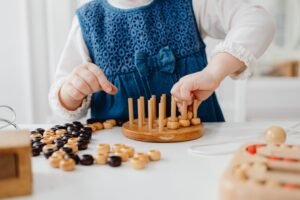
You might place wooden puzzles, threading beads, or shape sorters here.
Keeping them organized helps kids focus on one activity at a time, rather than juggling multiple tasks.
These tools sharpen fine motor skills and problem-solving.
Children enjoy repeating them until they figure things out.
Rotating puzzles keeps the shelf fresh and challenging.
A clear display also makes cleanup easier since every item has a place.
This simple setup turns problem-solving into something kids choose with excitement.
18. Low Dressing Area
A dressing space encourages kids to manage clothes on their own.
All you need is a mirror hung at child height, a few low hooks for jackets or costumes, and maybe a small bench for sitting.
Some families add a basket for shoes or hats. This area makes dressing up fun while also teaching independence.
Children learn how to put on and take off clothing without help, which builds confidence in daily routines.
They can also practice with dress-up outfits, adding an element of play.
A dressing area gives them ownership over self-care simply and invitingly.
19. Simple Music Corner
Music comes alive when kids can reach the instruments themselves.
A small shelf or basket can hold bells, maracas, tambourines, or even a child-sized xylophone.
These instruments let children explore rhythm and sound freely.
They don’t need structured lessons—just the chance to shake, tap, or strum. Music plays builds auditory skills and encourages self-expression.
It also brings joy and energy into the playroom. Keeping the corner simple avoids clutter and makes each instrument feel special.
A music space invites kids to experiment with sound whenever the mood strikes.
It’s a fun and natural way to explore creativity.
20. Open-Ended Loose Parts Play
Loose parts are simple but powerful. Gather natural or recycled items like pinecones, shells, bottle caps, or corks.
Place them in baskets so kids can choose freely.
With no instructions, children decide what the objects become—a pretend meal, a necklace, or part of a fort.
This kind of play builds creativity and problem-solving because there’s no correct answer.
It also supports fine motor skills as they sort, stack, or connect pieces.
Loose parts keep play open and flexible, allowing it to change every day with imagination.
They cost almost nothing but spark endless possibilities in a Montessori playroom.
21. Montessori Wall Calendar or Routine Board
Visual cues help kids understand time and structure.
A wall calendar or routine board at their level makes daily life clear.
You can include weather cards, day-of-the-week markers, or simple routine steps like “snack,” “play,” and “rest.”
Moving the pieces each day gives kids a sense of control and awareness.
It reduces stress during transitions because they can see what’s coming next.
A routine board doesn’t just organize the day—it helps children feel secure.
They start to connect time with real activities, which builds independence.
It’s a simple tool, but it makes the daily flow smoother for both child and parent.
22. Real Plants and Watering Tools
Caring for plants gives kids a real sense of responsibility.
Add a few easy options, such as herbs, succulents, or spider plants, in small pots. Place them low where children can see and touch.
A small watering can or spray bottle makes it fun to care for them. Even young kids love checking the soil or watching leaves grow.
Mistakes happen, but they learn quickly how much water is too much.
This daily task teaches patience, observation, and respect for the natural world.
It also adds calm and freshness to the room. Plants make the playroom feel alive while giving children meaningful work.
23. Mini Writing or Tracing Station
Writing starts with small steps. A mini station helps kids practice without pressure.
You can set up a chalkboard, sandpaper letters, tracing cards, and crayons at a low table.
Keep supplies simple yet organized so children can use them at any time.
Tracing letters or shapes helps build fine motor control while introducing early literacy skills.
The space should invite them to sit down and try on their own, not wait for instruction.
A writing nook also makes them proud when they see their progress.
It’s a small corner that grows with your child as they move from scribbles to real words.
24. Open-ended Construction Area
Every child loves to build. A basket of wooden blocks, magnetic tiles, or peg boards gives endless chances to create.
Leave space on the floor so kids can spread out their projects. One day it might be a tower, the next a bridge or a pretend city.
Construction play teaches balance, planning, and teamwork when friends join in. Keeping the pieces in trays or baskets makes it easier to start again.
This type of play never gets old because it changes with imagination.
A small corner with building materials can become the busiest part of a Montessori playroom.
25. Low Table for Snack or Work
A child-sized table gives kids their own space for meals, crafts, or puzzles. Keep it sturdy, low to the ground, with chairs that they can push in and out easily.
This table promotes independence because children can sit without assistance and handle snacks or activities independently.
It also becomes a natural spot for quiet work like drawing or sorting.
Having their own “work table” makes them feel capable and responsible. It doesn’t take much room but adds significant value to the playroom.
The table shows kids that learning, eating, and playing are things they can manage on their own.
Tips for Setting Up and Maintaining the Montessori Playroom
So you’ve got the basics set up — shelves, a few good toys, maybe a reading nook. Now what? The key to keeping the space working with your child (not against them) is just a little maintenance and observation. Nothing fancy.
How often to rotate toys:
You don’t need to switch everything out every few days — that’s exhausting. Every week or two is usually enough. If your kid stops playing with something or seems bored, swap it for something they haven’t used in a while. You’re not trying to entertain them 24/7, just keeping things interesting without overwhelm.
Involving your child in cleaning and organizing:
This part’s super Montessori. Instead of cleaning everything up for them, show them how to do it with you. Make it part of the routine — putting toys back on the shelf, wiping the table, folding little cloths, whatever works. It gives them a sense of responsibility, and they actually start to enjoy it once it becomes familiar.
Observing your child’s interests to adapt the space:
Watch how they use the space — not just what they play with, but how they play. Are they drawn to art? Maybe add a few more materials. Lost interest in blocks? Rotate them out for puzzles. The whole idea is to let the room evolve as your child grows, so it keeps supporting where they’re at — not where you think they should be.
Conclusion
So go ahead and start setting up a playroom that actually works for your child.
With these 25 Montessori-inspired ideas — from open shelving and nature corners to calm-down spaces and art stations — you’ll create a space that sparks creativity, builds independence, and keeps your little one engaged day after day.
It doesn’t have to be perfect. Just thoughtful. And trust me, your child will feel right at home.